May 30, 2026 · 6 min read
How Long Does SOC 2 Take? The Realistic Timeline for Startups
The honest answer to how long SOC 2 actually takes for a startup, broken down by Type I and Type II, and what you can do to avoid the most common delays.
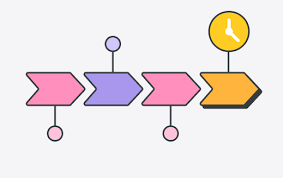
The most common answer you will find online is "3 to 6 months for Type I, 9 to 14 months for Type II." That is technically correct but it leaves out the part that catches most startups off guard — the clock does not start when you decide to get SOC 2. It starts when you actually have controls in place and evidence collection running.
Here is what the timeline actually looks like in practice.
Type I: 2 to 4 months if you are prepared
SOC 2 Type I is a point-in-time assessment. An auditor looks at your controls on a single date and confirms they are designed appropriately. There is no observation period so in theory you can move faster.
In practice, most startups take 2 to 4 months from kickoff to report. The breakdown looks like this:
- Weeks 1 to 4 — gap assessment. Figure out what controls you need and which ones you are missing. This is where a lot of time gets lost if you do not have a clear picture of your AWS configuration, access policies, and documentation.
- Weeks 4 to 8 — remediation. Fix the gaps. Update IAM policies, enable CloudTrail, write security policy documents, tighten S3 access. This takes longer than most people expect because it involves real infrastructure changes.
- Weeks 8 to 12 — auditor engagement. Select an accredited CPA firm, go through their process, respond to their questions, get the report issued.
The wildcard is remediation. If your AWS environment is in rough shape or you have no security policies written, add another 4 to 6 weeks.
Type II: 9 to 14 months and you cannot rush it
Type II requires proof that your controls were operating continuously over a period of time — usually 6 to 12 months. That observation period is the reason you cannot compress it. The whole point is that the auditor reviews ongoing evidence, not a single snapshot.
The realistic timeline:
- Month 1 — gap assessment and remediation. Same as Type I but you need to get controls in place before the observation period starts, not just before the audit.
- Months 1 to 7 — observation period. Controls are running, evidence is being collected automatically or manually. This is where most teams either get this right or do not. If your evidence collection is inconsistent or missing gaps the auditor will flag it.
- Months 7 to 9 — audit. The CPA firm reviews your evidence, asks follow-up questions, writes the report.
- Month 9 to 14 — report issued.
The biggest mistake startups make is starting the clock too late. Every month you spend thinking about SOC 2 without actually having controls in place and evidence collection running is a month added to when your Type II report will be ready.
The two things that cause the most delays
1. Scrambling to fix AWS misconfigurations late in the process
Most startups do a gap assessment, find a long list of AWS issues, and realise they need weeks to fix them. MFA not enforced, CloudTrail not enabled, S3 buckets misconfigured, no VPC flow logs. These are not hard to fix but they take time and they push your observation period start date back.
The earlier you run a proper check of your AWS environment the better. If you know what needs fixing in month one instead of month four you save yourself a lot of pain.
2. Inconsistent evidence collection during the observation period
For Type II your auditor will ask for evidence covering the full observation period. If you collected screenshots manually and missed a few months, or your automated tooling was not running consistently, you will have gaps. Auditors flag gaps. Gaps delay reports or cause findings that require remediation.
The only reliable fix is automated evidence collection that runs continuously from day one. Manual processes almost always have holes by the time the audit comes around.
How to start immediately without wasting time
Run a check on your AWS environment now — before you even talk to an auditor, know what you are working with. There is no point engaging a CPA firm if your CloudTrail is off and half your IAM users have no MFA.
Get security policy documents drafted — auditors want to see documented policies. Writing these from scratch takes weeks if you do not have a template.
Start automated evidence collection as soon as controls are in place — every day of the observation period counts. Delaying evidence collection by even a few weeks delays your Type II report by the same amount.
Pick your auditor early — accredited CPA firms have lead times. Some are booked 2 to 3 months out. Do not wait until your controls are perfect to start the conversation.
If you want to see exactly where your AWS stands before starting the process, the free checklist below covers all 65 SOC 2 controls — broken down by what needs continuous evidence and what is a one-time task.
See the full SOC 2 readiness checklist →
For automated evidence collection, continuous AWS monitoring, and AI-generated policy documents, TrailProof handles the ongoing work so you are not scrambling when the audit comes around.
Ready to check your SOC 2 readiness?
Free interactive checklist — 65 controls, saves progress, no signup required.
Open the free checklist →